


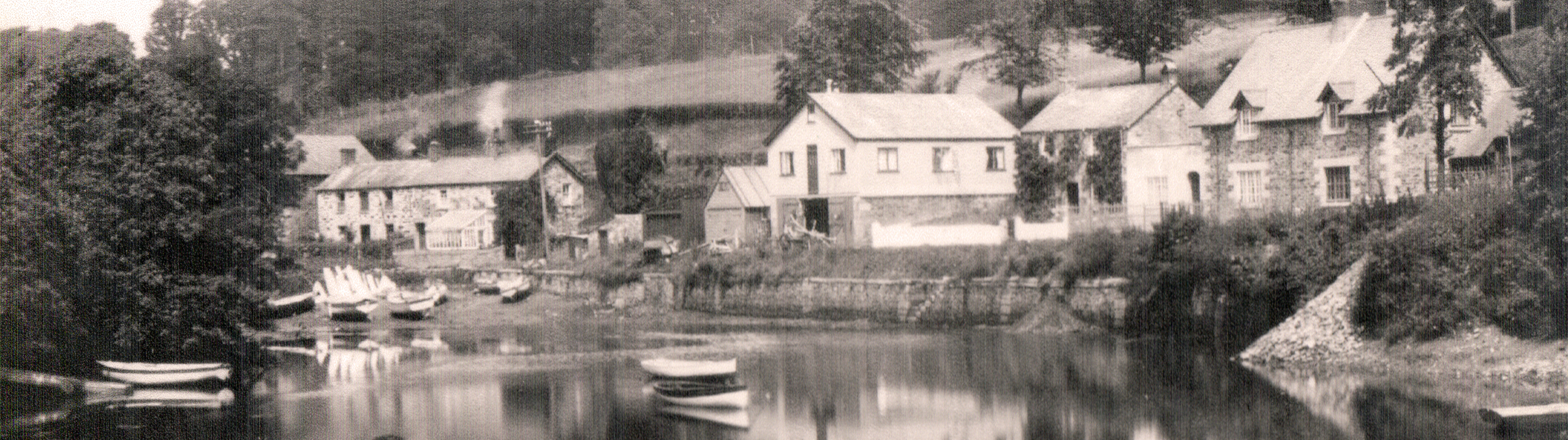
Port Navas has been settled since medieval times, with some evidence of activity during the Iron Age. ‘Porth Navas’ is thought by some to mean ‘Cove of the Sheep’ suggesting pastoral origins, but the village has seen periods of great industry.
Higher and Lower Quay, constructed in the mid-nineteenth century, stimulated the development of much of the village as we know it today. The quays were used for shipping granite from the quarries around Constantine. A late nineteenth century account describes ‘immense numbers of granite blocks piled up forty to fifty feet, waiting to be loaded into the two or three ketches, schooners or smacks moored under the cranes or anchored in the stream’.
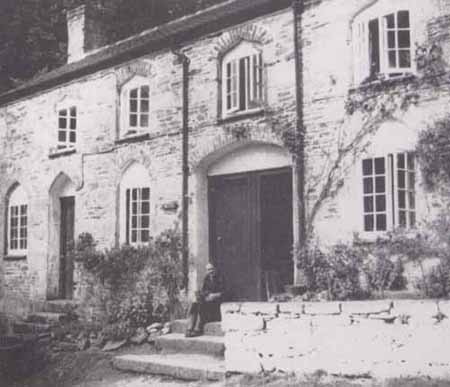
During this obviously very busy period, construction included a blacksmith’s shop and workshops for the rough finishing of granite, as well as the Quay Master’s cottage (now Creek Cottage); a chapel and restroom for seamen (now Mayn Cottage), and a lime kiln (now Old Kiln).



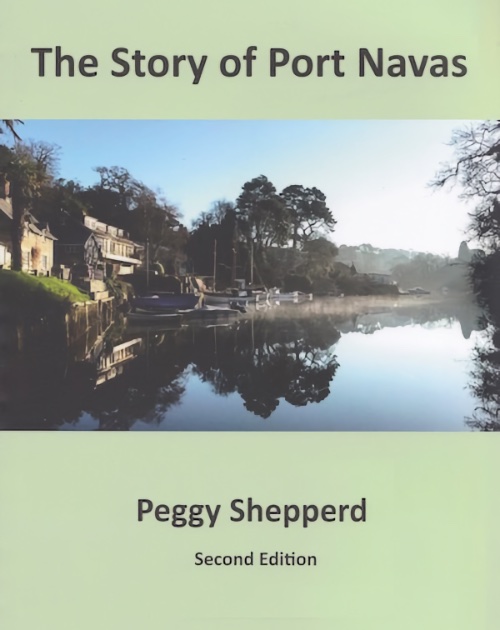
This is the second edition of this indispensable history of Port Navas published by Peggy Shepperd in 2016 just before her 100th birthday. This edition significantly expands on its predecessor and should be required reading for anyone interested in Port Navas and the surrounding area.
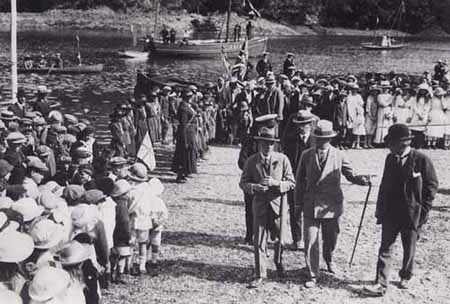
The new book contains three times as many illustrations of the first edition. There are four extra chapters and two new appendices, with references and an index. It has been a community effort, with a number of key contributors. It covers geology, prehistory, medieval land holdings, and the local industries of granite, mining and oyster farming. Included are the evolution of the community from the early 19th to the 21st century, and its contributions in both world wars
For those who can’t pop into the Village Hall for a copy, it’s available here: amazon.co.uk/dp/0993565409